
The Role of Catalytic Converters in Modern Vehicles
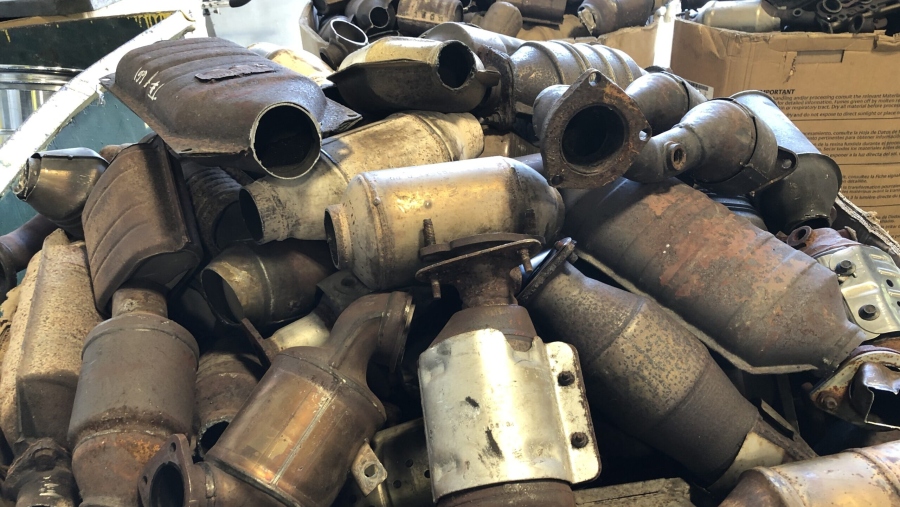
Modern vehicles are designed to meet strict environmental standards, and one of the key components responsible for reducing emissions is the catalytic converter (latvian: katalizators). This essential part of the exhaust system helps transform harmful gases into less dangerous substances before they are released into the atmosphere.
During engine operation, vehicles produce pollutants such as carbon monoxide, nitrogen oxides, and hydrocarbons. The catalytic converter uses chemical reactions to convert these into carbon dioxide, nitrogen, and water vapor. This process significantly reduces environmental impact and improves air quality.
As environmental regulations continue to tighten worldwide, the importance of catalytic converters will only increase. However, beyond their functional role, these components also have significant value in the recycling industry.
Why Catalytic Converter Recycling Matters
Valuable Materials Inside
Catalytic converters contain rare and valuable metals such as platinum, palladium, and rhodium. These metals are essential for the chemical reactions that reduce emissions, but they are also highly sought after in global markets due to their limited availability.
Recycling catalytic converters allows these precious metals to be recovered and reused, reducing the need for mining and conserving natural resources. This not only supports sustainability but also helps stabilize the supply of these critical materials.
Environmental Advantages
Proper recycling prevents harmful substances from entering the environment. Disposing of catalytic converters incorrectly can lead to pollution and wasted resources. By ensuring these components are processed through professional channels, environmental damage can be minimized.
Companies like Metalbee provide specialized services for catalytic converter recycling, ensuring that valuable materials are extracted safely and efficiently. Their expertise helps support both environmental protection and resource recovery.
Understanding Catalytic Converter Prices
What Affects Market Value
The value of catalytic converters is determined by several factors, including the type of vehicle, the amount of precious metals contained within the unit, and global market conditions. Since these metals are traded internationally, their prices can fluctuate based on demand and supply.
Understanding catalytic converter prices (latvian: katalizatoru cenas) is essential for anyone looking to sell or recycle these components. Staying informed about pricing trends allows individuals and businesses to maximize their returns.
Global Market Influence
The prices of precious metals are influenced by various global factors, including industrial demand, economic conditions, and geopolitical events. Industries such as automotive manufacturing and electronics rely heavily on these materials, which directly impacts their market value.
Because of these fluctuations, timing can play a significant role in determining the profitability of selling catalytic converters.
The Role of Businesses in Recycling
Responsible Disposal Practices
Businesses that handle vehicles, such as repair shops and scrap yards, generate a large number of used catalytic converters. Proper disposal is essential not only for environmental reasons but also for maximizing financial returns.
By working with professional recycling providers like Metalbee, businesses can ensure that catalytic converters are processed correctly and valuable materials are recovered efficiently.
Financial Benefits
Recycling catalytic converters offers an opportunity to generate additional revenue. Instead of treating used components as waste, businesses can sell them and benefit from the value of the metals inside.
This approach supports both sustainability and profitability, making it a practical solution for modern businesses.
Opportunities for Individuals
Selling Used Components
Individuals can also take advantage of catalytic converter recycling. Old or damaged units from personal vehicles can be sold, providing an additional source of income.
Understanding the factors that influence value and monitoring market trends can help individuals achieve better results when selling.
Supporting Sustainability
Recycling catalytic converters contributes to environmental protection by reducing waste and conserving resources. Even small actions can have a meaningful impact when combined across communities.
By participating in recycling efforts, individuals help create a more sustainable future.
Technological Advances in Recycling
Improved Recovery Methods
Modern recycling technologies have significantly improved the efficiency of extracting precious metals from catalytic converters. Advanced processing techniques allow for higher recovery rates and better material quality.
These innovations make recycling more effective and environmentally friendly.
Industry Development
The recycling industry continues to evolve, with new technologies and processes being developed to meet growing demand. Companies that invest in innovation are better equipped to provide efficient and sustainable solutions.
Moving Toward a Circular Economy
Reusing Valuable Resources
The concept of a circular economy focuses on keeping materials in use for as long as possible. Catalytic converter recycling plays a key role in this approach by recovering valuable metals and reintroducing them into production.
This reduces waste, conserves resources, and supports long-term sustainability.
Shared Responsibility
Achieving sustainability requires cooperation between individuals, businesses, and governments. Each group has a role in promoting responsible recycling and reducing environmental impact.
Conclusion
Catalytic converter recycling is an essential part of modern environmental and economic systems. By understanding how these components work and recognizing their value, individuals and businesses can make informed decisions.
With support from experienced companies like Metalbee and continued advancements in recycling technology, catalytic converter recycling will remain a key contributor to a more sustainable and resource-efficient future.